Pressure-treated pine
lowest costThe default. Cheapest to buy, easiest to cut and fix, and every board is replaceable for the price of a board.
Recurring upkeep · High movement · Splinters as it weathers
Calculators that output a material list, span tables quoted from the code with the table named, and guides that soften a claim rather than invent a figure. Free, no signup, and every price is one you typed.
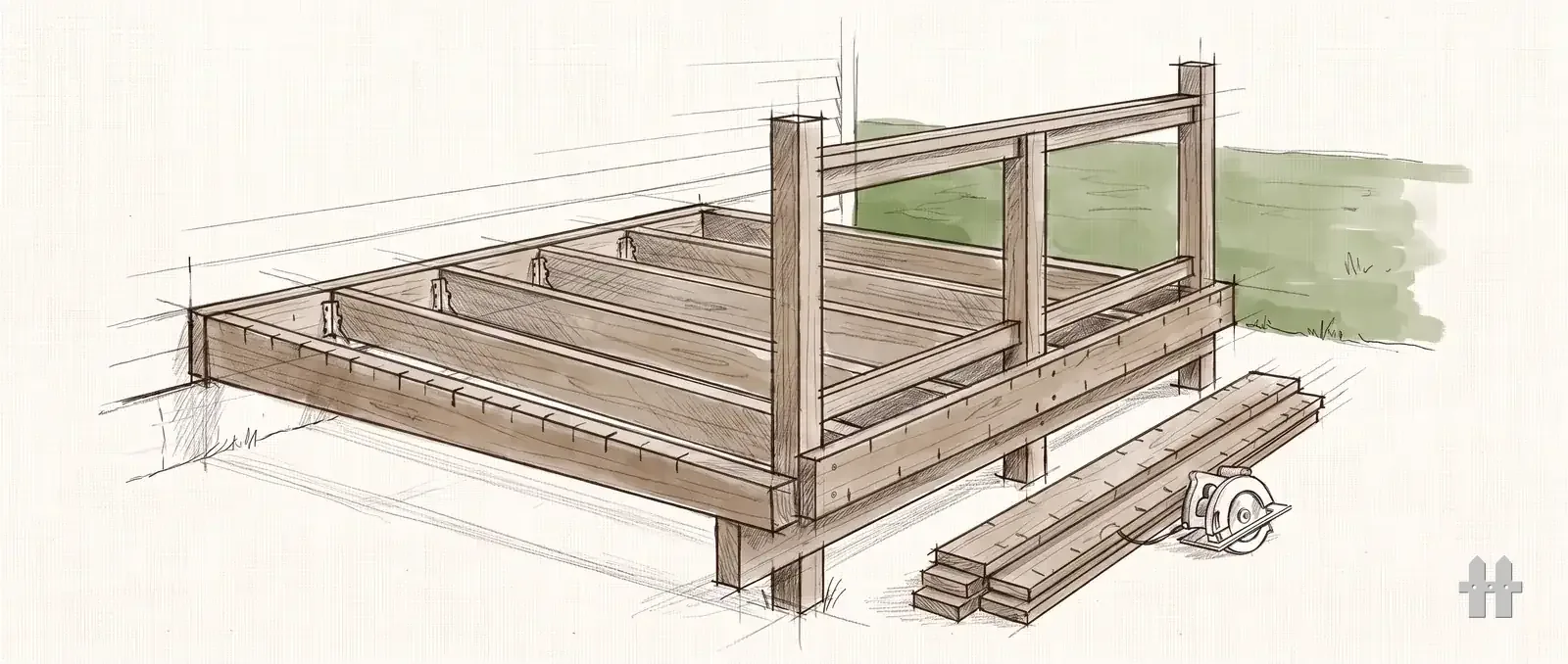
Joist and beam spans, footings, stairs — the numbers an inspector will check.
Ledger flashing, permits, post depth, finishes. No invented averages.
Composite, cedar, treated, vinyl and chain link on cost, life and upkeep.
Maximum joist span by species, size and spacing, straight off the IRC table.
Maximum beam span and post count from IRC Table R507.5(1), by species, size and plies.
Boards, linear feet and screw count for a deck of any size and board width.
Gap, board count and where the butt joints land across the joists.
Footing diameter from tributary area, load and soil bearing — depth stays your frost line.
Rise, run, stringer length and tread count for a code-legal flight.
Board feet and price for rough lumber, one piece or a whole cut list.
Cubic yards and bags for tube, pad, pad-and-pier and belled deck footings.
Clear span first, then the joist that carries it, then the beam that catches the joists, then the footing under each post. Every step is a table, and each one changes the next.
Board count at the real face width, screws per joist crossing, bags of concrete per hole, gallons of stain including the railing. Quantities, not estimates.
Put your yard's quote in and the cost tools give you a line-by-line total. Nothing here asserts a national average, because there is no useful one to give.
The default. Cheapest to buy, easiest to cut and fix, and every board is replaceable for the price of a board.
Recurring upkeep · High movement · Splinters as it weathers
The best-behaved wood — stable, light, pleasant to work and to walk on. Grade decides everything, because sapwood is not durable.
Recurring upkeep · Low movement · Good barefoot
Not wood, and it does not behave like wood. No rot, no splinters, no finish — and no sanding out a scratch either.
Washing only · Thermal movement · Hot in full sun
Very dense tropical hardwood. Superb durability and a serious install — pre-drilling everything, with tools that wear out doing it.
Oil for colour only · Low movement · Very good barefoot
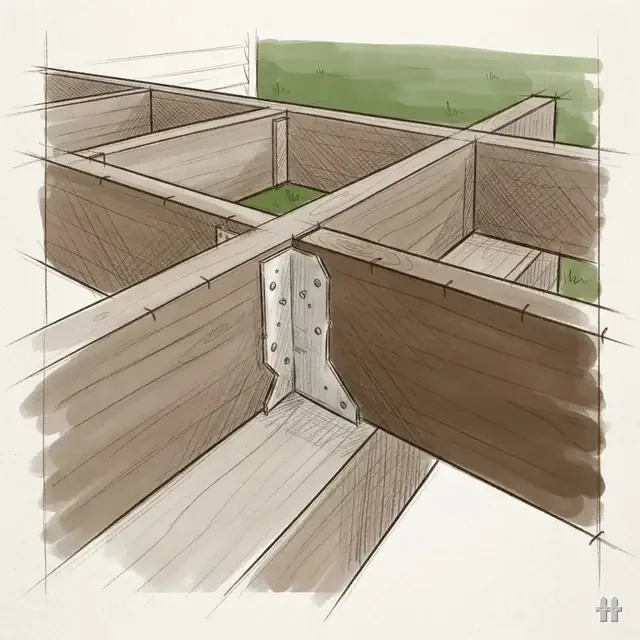
Joist and beam spans, footing sizes, stair layout and board takeoffs — the numbers that decide whether the frame holds.
9 tools · 9 guides · 1 comparisons
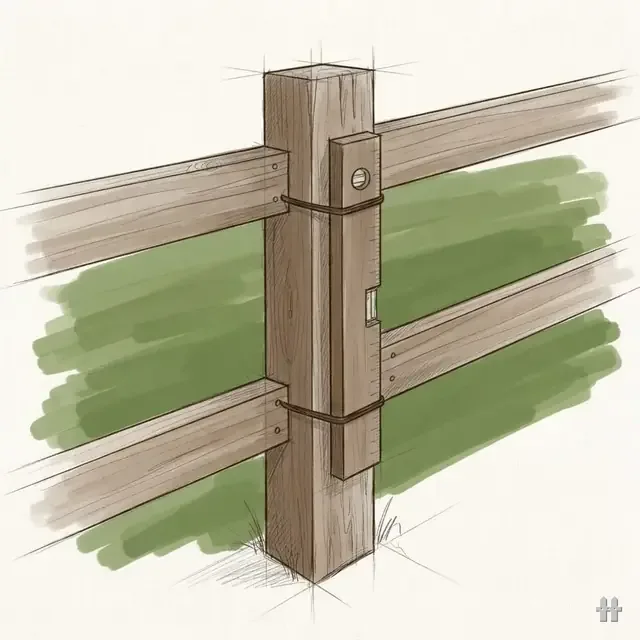
Post depth, spacing and concrete, panels and gates — the fence work that gets measured before anything gets dug.
4 tools · 3 guides · 4 comparisons
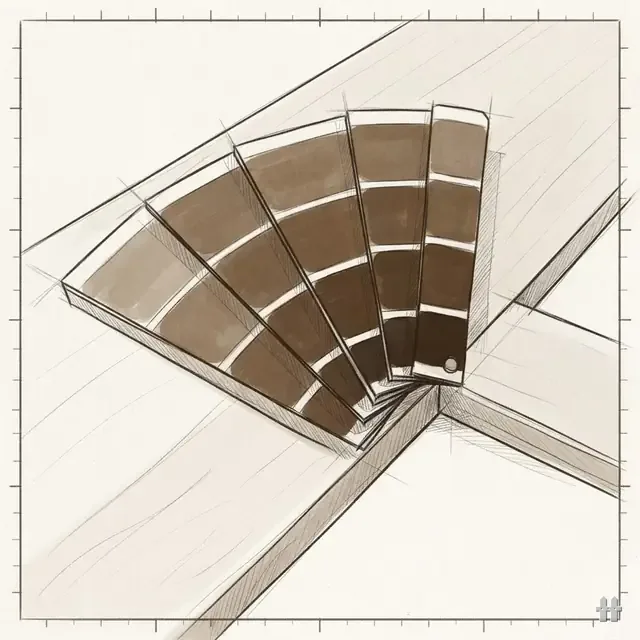
Cedar, treated pine, composite and ipe — what each costs, how long it lasts and what it takes to keep it.
3 tools · 4 guides · 4 comparisons
What a deck or fence really costs, what the inspector will ask for, and the sheet you hand the client.
6 tools · 6 guides
Every common species and size at 12, 16 and 24 inch centres, with the code reference.
How to pick 2×6 through 2×12 from span, spacing and what sits on top.
12, 16 and 24 inch centres — what each costs you and when the decking decides.
Frost depth, bearing and the inspections that turn on this one number.
Setting out piers with string lines and batter boards, square the first time.
Take the span chart and the bid template to the job. Both print without the site around them, and neither needs an account, an email address or a signal.